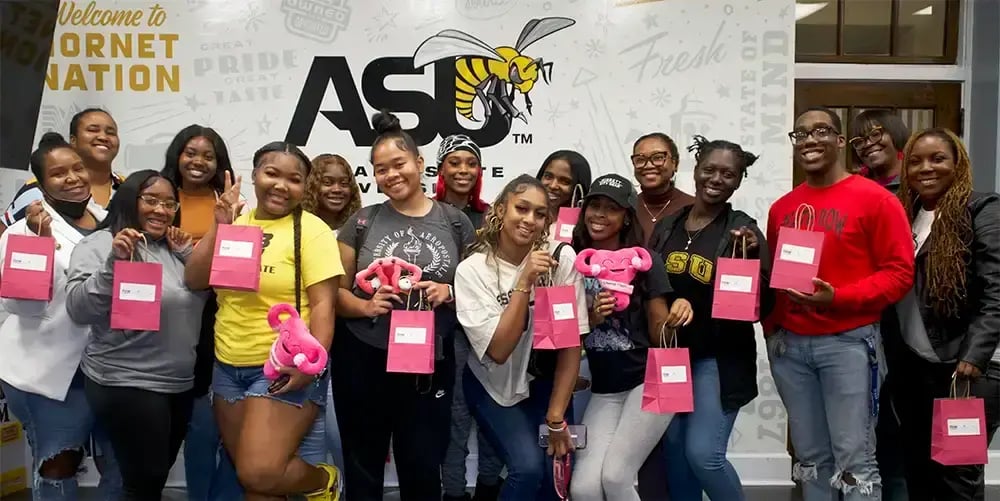
We go across the country on college campuses and in communities to spark real conversations about menstrual health and equity.
Together, we break stigma, share knowledge, and build power through honest dialogue, education, and community connection.
A national movement uniting leading organizations to tackle period poverty and advance menstrual equity for Black women, girls, and gender-expansive people.
As the first and only Black-led coalition of its kind, we are dismantling systemic barriers and driving lasting change through advocacy, education, and collective action.
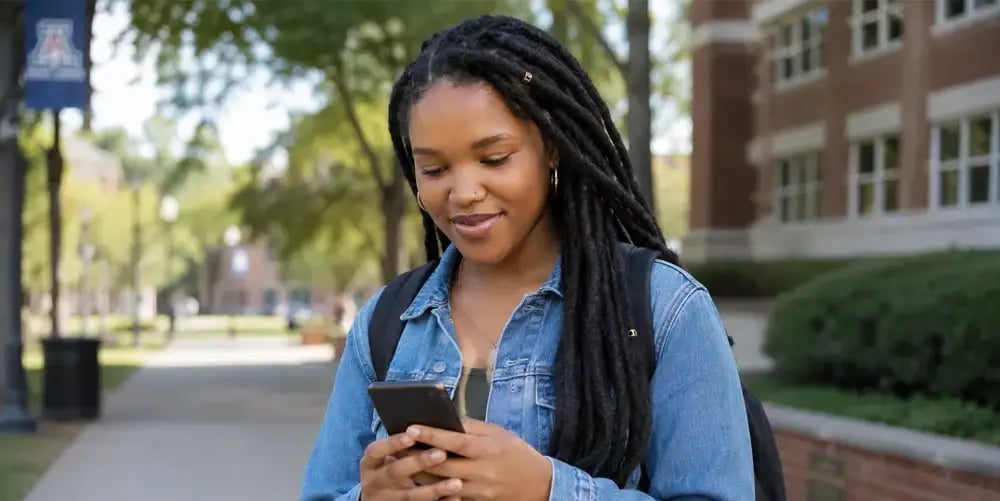
The BWHI Opill Access Fund helps Black women get birth control when life gets tough.
If things like taking care of family, school responsibilities, health problems, or money struggles are making it hard for you to take care of your reproductive health, this program is here to support you.
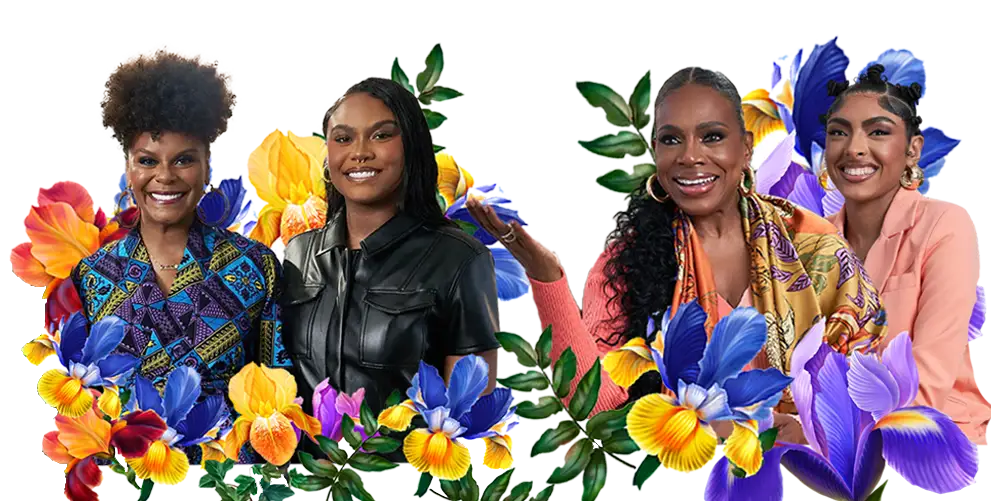
More than a film. A movement to break the silence.
Featuring intimate conversations with everyday Black families alongside voices like Sheryl Lee Ralph and Tabitha Brown, Me Period explores how Black women and girls learn, heal, and connect through honest conversations about our bodies, our periods, and self-advocacy.